7 Essential General Electric Dishwasher Parts You Need
A dishwasher that leaves dishes dirty, drains slowly, or makes unusual noises can quickly become a daily frustration. You’re not alone—many people struggle to identify which replacement components actually matter. This guide to essential General Electric dishwasher parts will help you find the right solutions and keep your appliance running reliably.
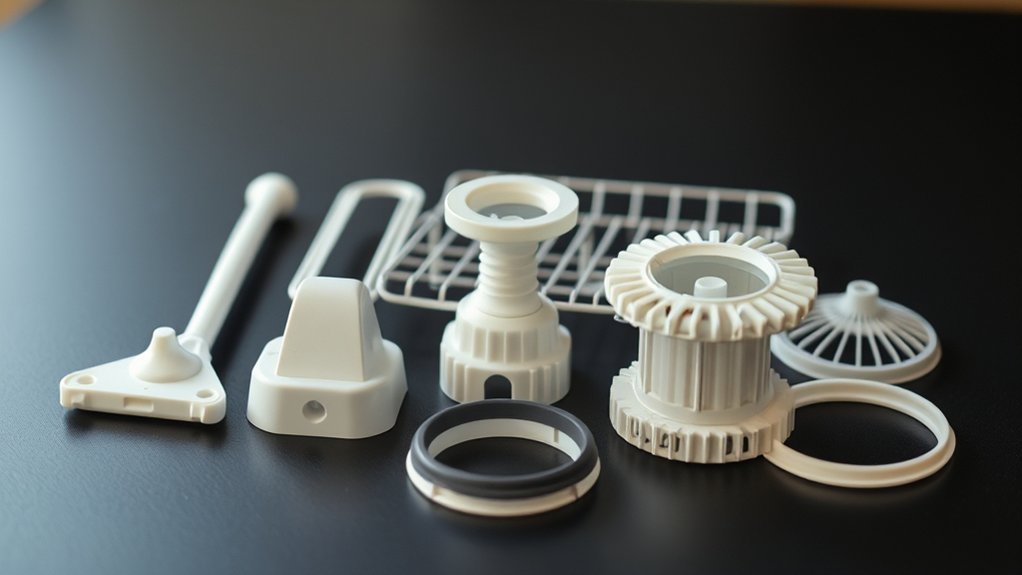
You need seven essential GE dishwasher parts for reliable cleaning: racks, spray arms, filters, pumps, drain hoses, door seals, and rack accessories such as wheels and silverware baskets. Load racks correctly, keep spray arms clear, and clean filters regularly to maintain strong water circulation.
Inspect pumps and hoses for blockages, leaks, or unusual noises. Check seals for cracks and replace worn components with compatible GE parts. These maintenance tips help your dishwasher perform better, and the details below show how each part works.
Key Takeaways
- Dishwasher filters trap food particles and grease, preventing residue, cloudy glassware, odors, and debris from redepositing on dishes.
- Spray arms distribute pressurized water. Replace or clean them when jets clog or dishes remain dirty.
- Wash and drain pumps circulate cleaning water and remove wastewater. They may need replacement when pressure drops or unusual noises occur.
- Drain hoses prevent standing water and backflow when properly installed, unclogged, securely connected, and free from kinks.
- Door seals, rack wheels, and silverware baskets help prevent leaks, support smooth loading, and organize utensils efficiently.
GE Dishwasher Racks for Better Loading
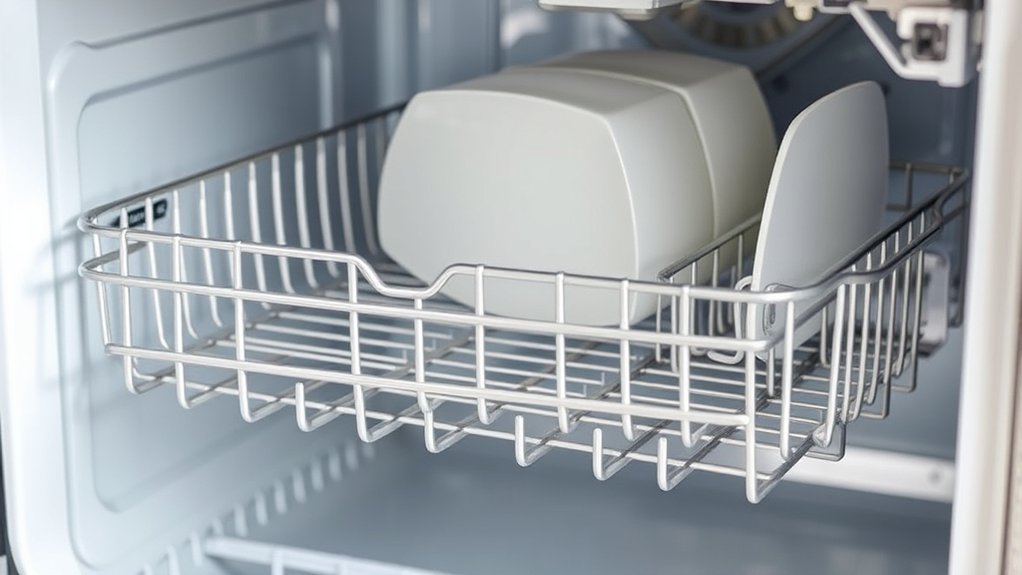
GE dishwasher racks make loading dishes easier by providing designated spaces for plates, bowls, glasses, and utensils. You’ll get cleaner results when you use the rack layout as intended and avoid overcrowding.
Place plates vertically between tines, leaving enough room for water to reach every surface. Position bowls at an angle so they don’t collect water, and keep glasses between supports to prevent movement.
Load cups and smaller items on the upper rack, while you should place larger cookware below. Put utensils in the basket with handles facing down, except sharp knives, which you should handle carefully and position safely.
Good loading techniques also protect your dishes and rack. Don’t force oversized items into place or block the detergent dispenser.
For rack maintenance, remove the racks occasionally and wipe away food residue. Check wheels, tines, and stops for damage, and replace worn parts promptly.
A properly maintained rack rolls smoothly and helps you load efficiently.
GE Dishwasher Spray Arms for Cleaner Dishes
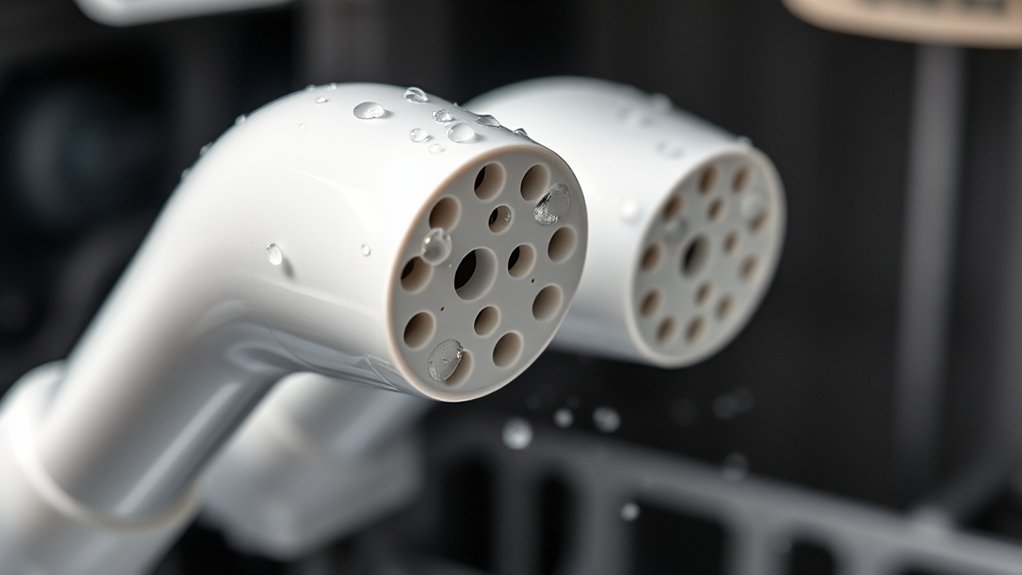
GE dishwasher spray arms help clean dishes more thoroughly by distributing water across every rack. If a spray arm becomes clogged or damaged, replacing it can help restore consistent cleaning performance.
In the next section, you’ll learn how to choose and install the right replacement.
Superior Cleaning Coverage
A well-designed spray arm helps every load come out cleaner by directing pressurized water across dishes, glassware, and cookware. Your GE dishwasher’s spray arms rotate during the cycle, reaching multiple angles and reducing missed spots.
Proper water distribution supports detergent effectiveness, helping remove grease, dried food, and residue without excessive scrubbing. To maximize coverage, you should:
- Face heavily soiled surfaces toward the spray jets.
- Leave space between plates, bowls, and utensils.
- Keep tall items from blocking the upper arm.
- Choose cycle selection based on soil level and load size.
Clear openings let water flow freely, while balanced rotation maintains consistent pressure. If dishes remain dirty, check for blocked jets, overcrowding, or an unsuitable cycle.
A functioning spray arm works with the pump, filter, and detergent to deliver cleaner results throughout each wash.
Easy Spray Arm Replacement
When a spray arm wears out or develops clogged, damaged jets, you can replace it quickly to restore even water coverage. First, remove the lower dish rack and release the arm according to your GE dishwasher model’s design.
Some arms twist off, while others lift from a retaining cap. Compare the replacement with the original to confirm compatibility, then secure it firmly without overtightening.
Check spray arm alignment by spinning the arm manually. It should rotate freely without touching the rack, filter, or tub.
Before installation, inspect the mounting area and clear any debris. Regular spray arm cleaning also prevents mineral buildup and food particles from blocking the jets.
Run an empty cycle afterward and listen for unusual scraping. A correctly installed GE dishwasher spray arm helps water reach every dish for consistently cleaner results.
GE Dishwasher Filters for Stronger Cleaning
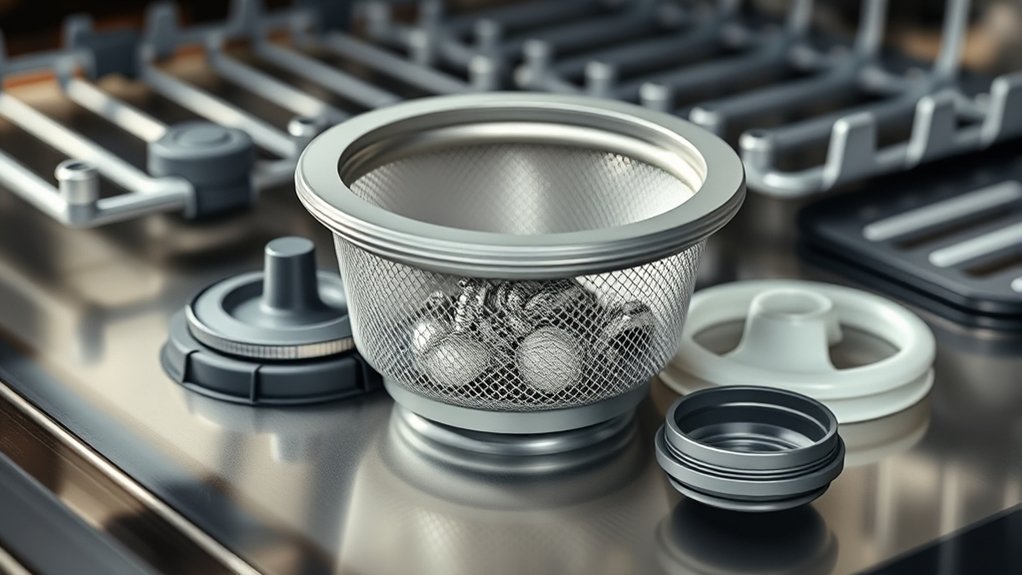
Clean filters are one of the most important GE dishwasher parts for stronger cleaning. They trap food particles, grease, and debris before those contaminants settle on dishes or interfere with washing.
When buildup blocks the filter screen, you may notice cloudy glassware, residue, or unpleasant odors. Regular filter maintenance keeps water filtration effective and helps your dishwasher deliver consistently clean results.
Check your owner’s manual for the filter location and removal method, since GE models can differ. In general, you can:
- Remove the lower rack for clear access.
- Twist or lift out the filter assembly.
- Rinse it under warm water and brush away stubborn debris.
- Reinstall it securely before the next cycle.
Don’t use harsh tools that could damage the mesh. Inspect the filter regularly, especially after washing heavily soiled cookware.
If the screen looks cracked or remains clogged after cleaning, replace it with a compatible GE filter. A clean filter also helps prevent food particles from redepositing on plates, bowls, and utensils.
GE Dishwasher Pumps for Reliable Water Flow
Your GE dishwasher’s wash pump circulates water to help clean every dish thoroughly. The drain pump removes dirty water, so keeping it clear and working properly helps maintain reliable performance. If either pump fails, use your dishwasher’s model number to find the correct replacement.
Wash Pump Function
GE dishwasher pumps drive the wash cycle by drawing water from the tub and forcing it through the spray arms at the pressure needed to remove food and grease. As the motor turns the impeller, circulating water reaches every rack and supports consistent cleaning.
You’ll get better results when you understand these key functions:
- The impeller creates water pressure for spray-arm jets.
- The motor maintains steady circulation throughout each wash phase.
- Filters protect the pump from larger food particles.
- Seals keep water contained around the motor assembly.
Wash pump maintenance includes cleaning filters, checking spray arms for clogs, and inspecting seals for wear. If water pressure drops, dishes remain dirty, or the motor sounds strained, you may need Pump noise troubleshooting.
Listen for grinding, rattling, or humming, then inspect accessible components before replacing the pump. A properly working pump delivers dependable, thorough washing.
Drain Pump Performance
When the cycle ends, the drain pump removes dirty water from the tub and sends it through the drain hose, helping prevent residue and standing water. A properly performing GE dishwasher drain pump supports clean results and keeps wastewater from returning to the tub.
You can promote clog prevention by scraping plates, clearing the filter regularly, and keeping the drain area free of food particles. Listen during draining, too. A steady hum followed by a smooth finish usually indicates normal operation, while grinding, rattling, or prolonged draining may signal restricted flow or pump strain.
Effective noise reduction also depends on secure connections and a clear hose, since vibration and trapped debris can make operation louder. Keep the pump area clean, and your dishwasher can drain efficiently, protect dishes from dirty water, and maintain consistent cycle performance.
Pump Replacement Tips
If your dishwasher still drains slowly after you’ve cleared the filter and hose, the pump may need replacement. Before ordering a GE dishwasher pump, confirm the model number and compare the replacement with your existing assembly. Unplug the dishwasher and shut off its water supply before removing panels or wiring.
Use these steps for a safer, more reliable repair:
- Photograph wire connections before disconnecting them.
- Inspect seals, clamps, and the impeller for damage.
- Install the new pump firmly, without overtightening screws.
- Run a short cycle and check for leaks or unusual noise.
Good pump maintenance helps prevent premature wear. Clean the filter regularly, remove debris from the sump, and avoid running the appliance with loose glass or hard objects inside.
During pump troubleshooting, listen for humming, grinding, or repeated draining errors. These symptoms can reveal installation problems or a separate blockage.
GE Dishwasher Drain Hoses for Faster Draining
A properly installed GE dishwasher drain hose helps wastewater leave the tub quickly, preventing backups, standing water, and lingering odors. Inspect the hose regularly for kinks, cracks, clogs, or loose connections that could restrict flow. Keep its path smooth, and make sure it rises high beneath the countertop before connecting to the sink drain or garbage disposal. This high loop helps prevent dirty water from flowing back into your dishwasher.
For effective drain hose maintenance, remove debris from the connection points and clean the disposal inlet if your dishwasher uses one. Don’t force sharp bends into the hose, since compression can slow draining and strain the pump.
If water remains after a cycle, check the filter, air gap, and hose for blockages. Drainage system troubleshooting starts with these simple inspections before you replace parts.
Choose a GE-compatible hose with the correct length and diameter, and secure each clamp firmly. Replace any hose that feels brittle, swollen, or damaged.
GE Dishwasher Door Seals to Prevent Leaks
After checking the drain hose, inspect the GE dishwasher door seal for signs of leaking around the tub. A cracked, flattened, or loose gasket can let water escape during cycles, potentially damaging cabinets and flooring.
You can improve Leak prevention by cleaning the seal with warm, soapy water and a soft cloth. Remove food particles, mineral buildup, and detergent residue that keep the gasket from sitting tightly.
Replace the seal if it feels brittle, shows splits, or no longer contacts the tub evenly. Before ordering, confirm your dishwasher’s model number so you’ll get the correct GE part.
For better Seal durability, install the gasket without twisting or stretching it. Then run a short cycle and check for drips.
Watch for these warning signs:
- Water pooling beneath the door
- A hardened or misshapen gasket
- Visible cracks or tears
- Dampness along the cabinet edges
A reliable door seal protects your kitchen and helps your dishwasher operate efficiently.
Rack Wheels and Silverware Baskets for Easier Loading
Smooth-rolling rack wheels and a sturdy silverware basket make loading your GE dishwasher easier and more efficient. When the wheels glide properly, you can pull the racks out fully, arrange dishes comfortably, and reach every corner without straining. Worn or cracked wheels may cause sticking, tilting, or uneven movement, so replace them when the rack no longer slides smoothly.
A reliable silverware basket improves basket organization by keeping forks, spoons, knives, and serving utensils separated. You’ll unload faster and help water reach each item when you avoid overcrowding the compartments. Check that the basket fits securely in its designated position and that its slots aren’t damaged or clogged with debris.
For dependable loading convenience, choose replacement parts designed for your specific GE dishwasher model. Before installing wheels or a basket, confirm the model number and compare the part’s shape and mounting style. Clean these components regularly to maintain smooth operation and hygienic results.
Frequently Asked Questions
Can I Replace GE Dishwasher Parts Myself?
Yes, you can replace many GE dishwasher parts yourself if you’re comfortable with basic tools and safety procedures. Start by unplugging the dishwasher or switching off its breaker.
Use your model number to identify compatible parts, then follow the service manual’s instructions. Helpful troubleshooting tips can prevent unnecessary replacements.
DIY repair commonly covers racks, filters, spray arms, door seals, and inlet valves. Call a professional for electrical, wiring, or complicated pump repairs.
How Do I Find My GE Dishwasher’s Model Number?
Look inside, around, and behind your GE dishwasher to find its model number. Start by opening the door and checking the left, right, or top edge of the frame.
If you don’t see it there, inspect the tub’s side wall, the door’s underside, or the unit’s exterior edge. Use these model identification tips during dishwasher troubleshooting.
Then, record every letter and number exactly as shown for accurate parts and repair information.
Are GE Dishwasher Parts Covered by a Warranty?
Yes, GE dishwasher parts may qualify for warranty coverage, but protection depends on the specific part, purchase date, and warranty terms. You’ll usually need proof of purchase and your dishwasher’s model number to confirm repair eligibility.
Covered defects typically receive replacement parts or authorized service, while damage from misuse, improper installation, or normal wear may not qualify. Check your owner’s manual or GE’s warranty policy, and contact GE support before ordering replacement parts.
Where Can I Buy GEnuine GE Dishwasher Replacement Parts?
You can buy genuine GE dishwasher replacement parts directly from GE Appliances’ official Parts website, authorized GE service centers, or reputable appliance-parts retailers.
Like following a trusted map home, start with your dishwasher’s model number to find the correct component. Genuine parts help guarantee proper fit and performance.
During the replacement process, compare part numbers, check retailer authenticity, and review return policies before ordering. You’ll avoid costly mistakes and installation delays.
How Often Should I Maintain My GE Dishwasher?
You should maintain your GE dishwasher monthly, with deeper cleaning routines every three months. Remove and rinse the filter, wipe the door gasket, clear spray-arm holes, and run an empty cycle with dishwasher cleaner.
Inspect the racks, detergent dispenser, and drain area for buildup or damage. Follow these repair tips: address leaks, unusual noises, poor cleaning, or standing water promptly, and replace worn parts with genuine GE components.
Conclusion
With the right GE dishwasher parts, you can keep every cycle running smoothly and your dishes sparkling. Sturdy racks, effective spray arms, clean filters, reliable pumps, clear drain hoses, tight door seals, rack wheels, and silverware baskets all play an important role.
When a component wears out, don’t ignore it—replace it promptly. These parts work together behind the scenes to help your dishwasher perform reliably for years.