What Is the Ideal Freezer Temp?
As an Amazon Associate, I earn from qualifying purchases. This post contains affiliate links. Which means I may earn a small commission when make a purchase through my links, at no additional cost to you.
Many people struggle to keep their freezer cold enough without wasting energy or damaging food—and you’re not alone. The ideal freezer temp is 0°F (-18°C) or lower, but finding the right appliance and maintaining a steady temperature can make all the difference.
Set your freezer to 0°F (-18°C) or lower to keep food safely frozen and preserve its quality. Use an appliance thermometer to confirm the actual temperature, since dial settings aren’t always accurate.
Keep packages sealed, leave space around vents, and avoid frequent door openings or temperature changes. Store food toward the back, where temperatures stay steadier.
If you notice soft ice cream, thawing food, or wet shelves, the freezer may need attention.
Below, you’ll find more ways to keep it stable.
Key Takeaways
- Set your freezer to 0°F (-18°C) or lower for optimal food safety, quality, and storage life.
- Use an appliance thermometer to verify the actual temperature, checking it regularly near the freezer’s center.
- Avoid frequent temperature fluctuations, which encourage ice crystal growth, freezer burn, and texture deterioration.
- Keep food sealed and organized without blocking vents, allowing cold air to circulate evenly.
- Temperatures much below 0°F offer minimal benefits while increasing energy use and potentially worsening freezer burn.
What Is the Ideal Freezer Temperature?
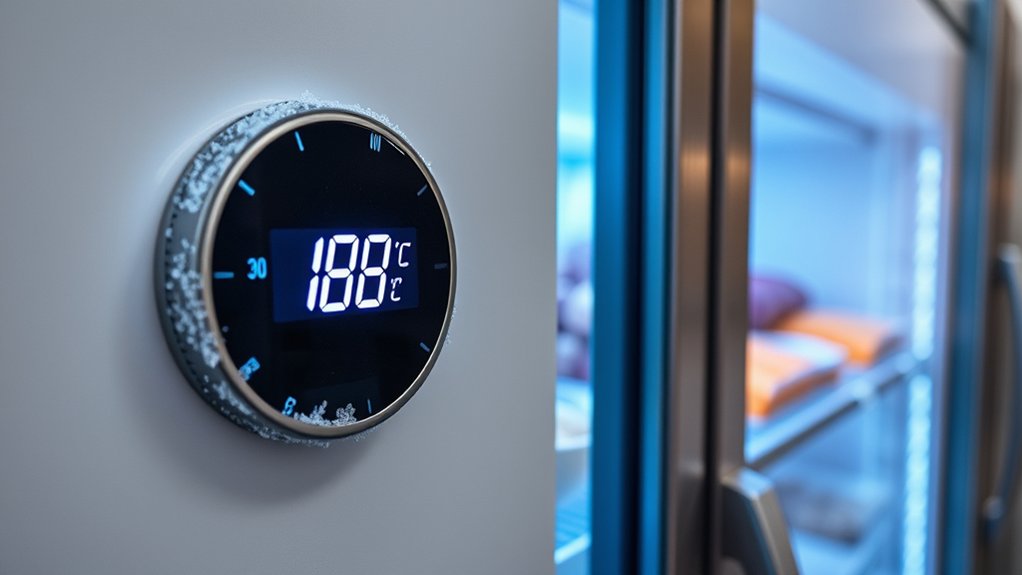
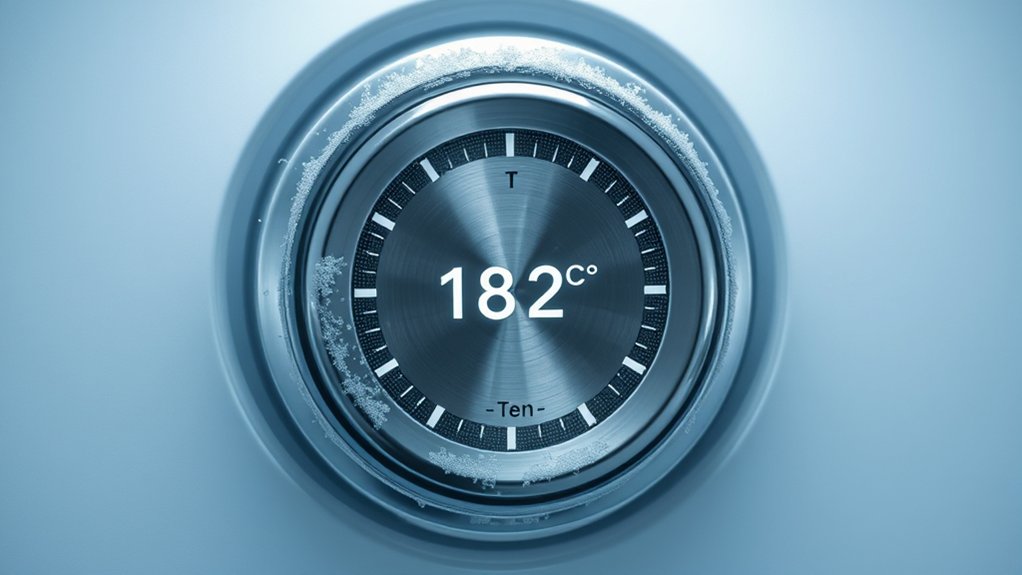
The ideal freezer temperature is 0°F (-18°C) or lower, which keeps food safely frozen and helps preserve its quality. Set your freezer to this level, then use an appliance thermometer to confirm the actual temperature, since the built-in dial may not be precise.
At 0°F, you can store meat, vegetables, prepared meals, and other frozen foods effectively. Keep packages tightly sealed to limit moisture loss and prevent odors from spreading.
Arrange items with enough space for cold air to circulate. Avoid packing the compartment so tightly that vents become blocked.
For frozen snacks, follow package instructions and return opened items promptly after serving. Proper ice cream storage also requires a consistently cold freezer.
Place the container toward the back rather than in the door, where temperatures fluctuate more. Check your thermometer regularly, especially after adding groceries or adjusting the setting, so you can maintain a stable, reliable environment for everyday storage.
Why Keep Your Freezer at 0°F?
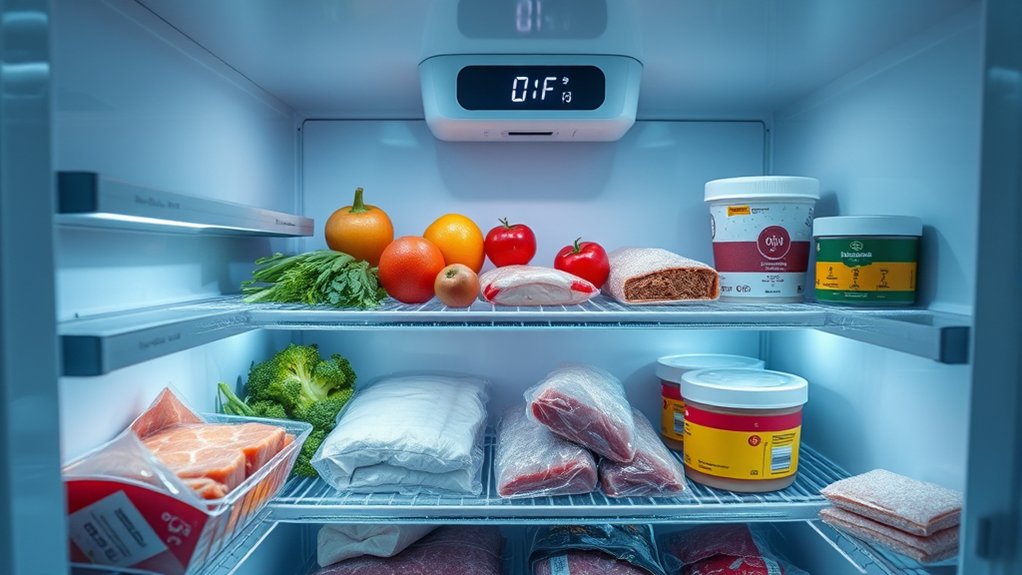
Keeping your freezer at 0°F helps protect your food’s safety and quality. It also extends storage times by slowing harmful bacterial growth. Plus, this temperature helps limit ice crystals, which can damage texture and cause freezer burn.
Food Safety Protection
Why does 0°F matter for food safety? At this temperature, your freezer keeps food solidly frozen and slows the growth of bacteria, yeasts, and molds. Freezing doesn’t destroy most microorganisms, but it stops them from multiplying while food remains frozen.
That pause supports safer food preservation and helps protect you from spoilage-related risks.
Consistent temperature regulation matters, too. If your freezer warms above 0°F, food may partially thaw, creating conditions that encourage microbial activity.
Repeated temperature swings can also affect texture and cause ice crystals, signaling unstable storage. Use a freezer thermometer to verify the actual temperature, since the appliance’s display may not be precise.
Keep the door closed as much as possible, and return food promptly after shopping. When food has fully thawed, handle it carefully and follow safe cooking practices.
Longer Food Storage
Beyond reducing microbial activity, a 0°F freezer helps food retain its quality for longer periods. You’ll preserve flavor, texture, and nutritional value while extending practical storage times.
Consistent temperature matters, so check your freezer regularly and avoid frequent, prolonged door openings. Properly labeled packages also help you use older items first.
| Food | Typical quality window | Helpful action |
|---|---|---|
| Meat | Several months | Wrap tightly |
| Vegetables | 8–12 months | Package portions |
| Frozen desserts | 1–2 months | Seal containers |
For Ice cream storage, keep the container toward the back, where temperatures remain steadier, and close it immediately after serving.
A steady 0°F setting supports dependable long-term storage, but quality still declines eventually. Follow recommended time limits, inspect packages for damage, and discard anything with an unusual odor or appearance after thawing.
You’ll waste less food and enjoy better results.
Ice Crystal Prevention
When your freezer stays at 0°F, food freezes more evenly, limiting the formation of large ice crystals that can damage texture. Smaller crystals help preserve the structure of fruits, vegetables, meat, and prepared meals, so you’ll notice less mushiness after thawing.
Consistent cold also slows Ice crystal formation during storage, protecting moisture and flavor. Temperature fluctuations can partially melt food surfaces, then refreeze them into larger crystals. Every cycle increases freezer burn, dries exposed areas, and weakens quality.
Keep your freezer at 0°F or below, and avoid frequent door openings that let warm air enter. Leave space around packages for air to circulate, but don’t overcrowd shelves.
Use airtight containers or freezer bags, remove excess air, and cool foods before freezing. These steps help your frozen food stay fresh and appealing.
How to Check Your Freezer Temperature
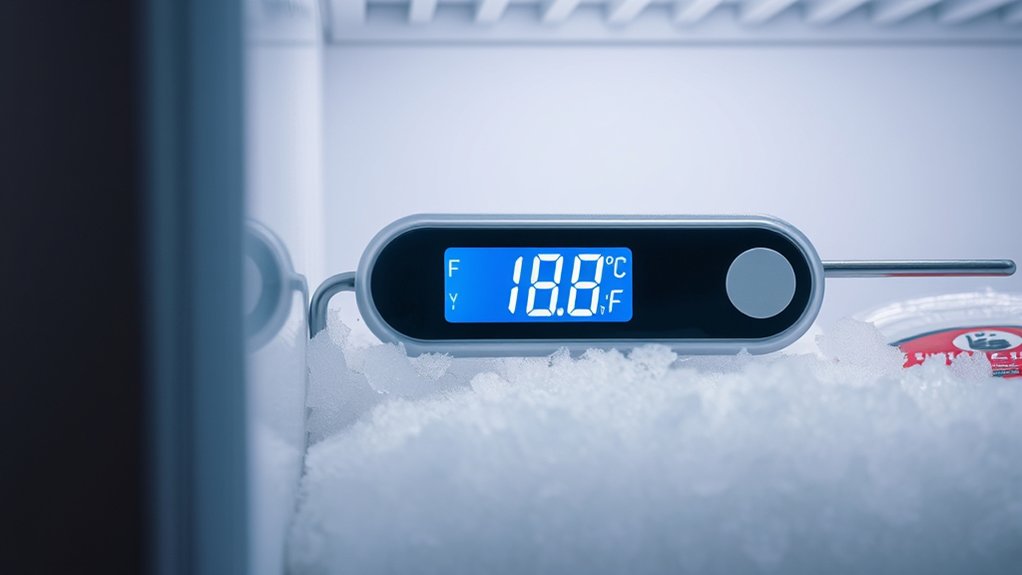
To check your freezer’s temperature, place an appliance thermometer inside. Check it regularly, ideally at the same time each day, to make sure it stays close to 0°F.
Use an Appliance Thermometer
An appliance thermometer gives you a reliable reading of your freezer’s actual temperature, which may differ from the setting on its control panel. Choose a model designed for freezer use, preferably one with an easy-to-read display and a range below 0°F.
Place it in a central location, away from the door, walls, vents, and frozen food. This position helps you measure the air temperature rather than a warm or cold spot.
Allow the thermometer to settle before reading it, and avoid holding it in your hand during inspection. If the reading differs from your target, adjust the control gradually and use Temperature calibration guidance from the manufacturer.
Good Freezer organization also improves accuracy by leaving space for air circulation. Record the reading after adjustments, but don’t rely solely on the dial.
Check Temperature Consistently
Check your freezer temperature at the same time each day, preferably before opening the door, so you can spot changes more easily. Place your appliance thermometer in a central location, away from the walls, vents, and food packages.
Wait several hours after placing it inside, then record the reading. Don’t judge performance immediately after adding groceries or leaving the door open, because these actions temporarily raise the temperature.
Compare readings over several days to identify trends rather than reacting to one unusual number. If the thermometer seems inaccurate, perform temperature calibration according to the manufacturer’s instructions or compare it with a second reliable thermometer.
Inspect the freezer regularly for frost buildup, which can restrict airflow and cause uneven cooling. If readings remain high, check the door seal and adjust the settings.
Where Should You Place a Freezer Thermometer?
Where you place a freezer thermometer affects how accurately it reflects the food’s storage temperature. For the most useful reading, position it near the center of the freezer, where your frozen food typically sits.
Keep it away from the door, walls, floor, ceiling, vents, and cooling elements, since these areas may show localized temperatures rather than the surrounding storage conditions.
Choose a thermometer designed for freezer use, and place it inside a small container of cooking oil or another temperature-stable medium if the manufacturer recommends that method.
This setup helps moderate brief fluctuations when you open the door and gives you a steadier reading. Follow the device’s instructions for placement tips and thermometer calibration.
Avoid resting the thermometer directly against food, shelves, or packages, which can distort its reading. Leave it undisturbed for several hours before checking the display.
Position it where you can read it without moving nearby items.
Why Is Your Freezer Getting Too Warm?
A freezer may get too warm because of a faulty door seal, blocked vents, heavy frost buildup, or a malfunctioning thermostat. Check the gasket for cracks, gaps, or food debris that prevents a tight closure.
You should also avoid overpacking the compartment, since crowded shelves can block vents and restrict cold-air circulation. Frequent door opening lets warm, humid air inside, forcing the appliance to work harder.
Frost buildup on interior walls can further reduce available space and interfere with airflow. Unusual warmth may also indicate a failing fan, compressor, or temperature sensor, especially if you hear unfamiliar noises or notice spoiled food.
Include regular freezer maintenance in your routine: clean the gasket, keep vents clear, remove excess ice safely, and inspect the unit for damage.
If the freezer remains warm after these checks, unplug it only if safe and contact a qualified appliance technician. Move perishable food to another cold appliance promptly to protect its quality and safety.
How to Adjust Your Freezer Temperature
To adjust your freezer temperature, use the control dial or digital panel to set it to 0°F (-18°C), the recommended storage temperature for frozen food. If your model uses numbered settings, consult the manual to identify the coldest and warmest positions before making a small adjustment.
Wait 24 hours between changes so the freezer can stabilize, and avoid frequent door openings during that period.
Place a separate appliance thermometer inside to verify the actual temperature, since built-in displays may show an approximate reading. Keep food away from vents, and leave enough space for air to circulate.
If frozen desserts become unusually soft, check the setting and confirm the door seals tightly. Remove excess ice buildup according to your manufacturer’s instructions, because thick frost can restrict airflow and reduce usable space.
Clean the condenser coils if your manual recommends it, and contact a technician if the temperature remains inconsistent after proper adjustments.
What Are the Signs of a Warm Freezer?
If your freezer is warmer than 0°F (-18°C), you may notice soft ice cream, partially thawed food, pooling liquid, or ice crystals that indicate thawing and refreezing. You might also find frozen packages stuck together, wet shelves, or food with unusual texture after cooking.
These signs often mean cold air isn’t circulating properly, the door seal leaks, or you’ve overloaded the compartments. Check whether the door closes completely and inspect the gasket for cracks, gaps, or debris.
A thick layer of frost can block vents and reduce cooling, so follow the manufacturer’s instructions for Freezer defrosting. Place an appliance thermometer inside, then compare its reading with the display.
Temperature calibration may reveal that the built-in sensor is inaccurate. Move food to a safe freezer if temperatures remain elevated, especially during a power interruption.
Discard foods that have thawed completely and stayed above 40°F (4°C) for two hours or longer.
Can Your Freezer Be Too Cold?
Can your freezer be too cold? Yes. Temperatures that are excessively low can affect food quality and increase energy use. Keep an eye out for signs that your appliance is working too hard, such as constant cycling or unusual noises.
Food Quality Risks
A freezer can be too cold for food quality, even though lower temperatures generally keep food safe. Excessive cold can dry exposed surfaces, causing freezer burn, tough textures, faded color, and flavor loss.
Effective food preservation depends on steady temperature regulation, airtight packaging, and sensible storage times. You’ll protect quality by keeping your freezer near 0°F (-18°C), rather than chasing the lowest setting.
| Food | Quality risk | Protection |
|---|---|---|
| Meat | Freezer burn | Wrap tightly |
| Bread | Dry texture | Use sealed bags |
| Vegetables | Texture loss | Blanch first |
| Ice cream | Hard, icy texture | Store consistently |
Check packages for ice crystals, discoloration, or dehydration. Freezer burn doesn’t make food unsafe, but it can make meals unpleasant.
Trim affected areas after thawing, and use older items first. If your appliance regularly drops far below 0°F, adjust its control and verify readings with a freezer thermometer.
Don’t rely solely on the display.
Energy Use Increases
Lowering your freezer well below 0°F (-18°C) won’t preserve food considerably better, but it can make the compressor run longer and increase energy use. That extra cooling raises your household’s Energy consumption without providing a meaningful storage benefit.
Set your freezer near 0°F (-18°C), then use an appliance thermometer to confirm its actual temperature. A setting that’s unnecessarily low may also make the unit work harder after you open the door, especially in a warm kitchen.
Keep the door closed as much as possible, and avoid placing hot food inside, since it forces the freezer to remove more heat. Check the seal and organize items so cold air can circulate efficiently.
Stable conditions matter, too: frequent temperature fluctuations can trigger additional cooling cycles and waste electricity. You’ll save energy while keeping food safely frozen.
Appliance Strain Signals
If your freezer runs colder than necessary, watch for signs that the appliance is working harder than it should. You may hear the compressor running almost constantly, notice excessive frost, or feel unusual heat around the cabinet or motor area.
These signals can indicate restricted airflow, a failing thermostat, dirty condenser coils, or a temperature setting below 0°F. Check the door seal by closing it over a sheet of paper; if the paper slips out easily, replace the gasket.
Keep vents clear, brush dust from coils, and avoid packing food against interior walls. These simple appliance maintenance steps support Energy efficiency and reduce strain.
If the freezer still runs nonstop after you adjust its setting, schedule professional service before the compressor overheats or fails.
How Full Should Your Freezer Be?
Keep your freezer about 70–85% full to maintain steady temperatures without blocking airflow. This balance gives cold air room to circulate while preventing empty space from warming quickly when you open the door.
Keep your freezer 70–85% full to balance cold-air circulation, temperature stability, and efficient storage.
Arrange packages neatly, leaving small gaps around vents and between stacked items.
A well-filled freezer also helps you organize food and avoid forgotten packages:
- Store frozen vegetables upright or in labeled containers.
- Keep ice cube trays flat and away from the door.
- Group meats, meals, and desserts in separate sections.
- Leave enough space to remove items without unpacking everything.
Don’t cram shelves or press food against the rear wall, where it can obstruct airflow or freeze unevenly.
If your freezer looks sparse, add properly sealed containers of water, but leave room for expansion as the water freezes.
Check that drawers and shelves close easily. Resistance signals overpacking.
When you buy groceries, rotate older items forward and place newer packages behind them. This approach lets you use food efficiently while preserving accessible storage space.
How to Keep Freezer Temperature Steady
A steady freezer temperature depends on limiting warm-air exposure and allowing cold air to circulate. Keep the door closed as much as possible, and decide what you need before opening it.
Check the door gasket regularly for cracks, gaps, or food debris. A poor seal lets cold air escape and makes the compressor work harder.
Don’t place hot leftovers inside. Cool them in the refrigerator first, then freeze them in shallow, sealed containers.
Leave small spaces between packages so air can move, but avoid overloading the compartment. At the same time, don’t let it sit nearly empty, since frozen items help maintain cold temperatures.
Use these storage tips to organize food by type and date, keeping frequently used items near the front. Store frozen desserts away from the door, where temperature changes happen most often.
Finally, use an appliance thermometer and adjust the setting if readings rise above 0°F (-18°C).
Frequently Asked Questions
Can Freezer Temperature Affect Food Quality or Texture?
Yes, your freezer temperature can affect food quality and texture. If it’s too warm or fluctuates, food may partially thaw and refreeze, creating larger ice crystals that damage cells and cause sogginess.
Consistent temperature stability helps preserve flavor, moisture, and texture. Frost buildup can also dry foods through freezer burn, leaving tough spots and stale flavors.
Keep packages tightly sealed, avoid overloading vents, and minimize door openings to protect your food longer.
How Long Can Frozen Food Safely Remain in the Freezer?
You can safely keep frozen food indefinitely at 0°F (-18°C), provided it remains continuously frozen, though quality declines over time. For best flavor, use ground meat within three to four months, poultry within six to twelve months, and most leftovers within two to three months.
Good Freezer organization helps you rotate older packages first. Label each item with its date to track Freezing duration, prevent freezer burn, and maintain quality. һал
What Foods Should Never Be Frozen?
You shouldn’t freeze eggs in their shells, fresh leafy greens, watery produce like lettuce, cucumbers, or watermelon, or creamy sauces and custards, because they’ll separate or turn mushy. You’ll also want to avoid freezing fried foods if you expect crispness.
For effective Food preservation, freeze suitable foods promptly and package them airtight. Common Freezing myths include believing every food freezes just as well; texture often changes even when safety doesn’t.
How Should You Organize Food Inside Your Freezer?
Organize your freezer by grouping similar foods together and keeping frequently used items near the front. Use baskets or bins to create clear shelf organization, separating meats, vegetables, prepared meals, and desserts.
Apply practical labeling techniques: write the food name and freezing date on every package. Store newer items behind older ones so you’ll use older food first.
Leave space between packages to help cold air circulate evenly and efficiently.
When Should You Defrost or Clean Your Freezer?
Defrost your freezer when ice buildup exceeds 6 millimeters, and clean it whenever spills, odors, or sticky residue appear, typically every three to six months. For example, if your frozen berries sit behind a thick white wall, schedule freezer maintenance immediately.
Unplug the appliance, transfer food to a cooler, remove ice safely, wash surfaces, and dry everything thoroughly. Afterward, check temperature calibration so your freezer maintains consistent, food-safe storage.
Conclusion
Set your freezer to 0°F, the sweet spot where food stays safe, fresh, and ready for the long haul. Check the temperature with a reliable thermometer, place it near the center, and watch for warning signs like soft ice cream or heavy frost.
Keep the freezer comfortably full, but don’t crowd it. With steady habits and a properly sealed door, you’ll keep temperature swings at bay and your frozen food safely tucked in its icy shelter.
For the ideal freezer temp, aim for a steady 0°F to keep food safe and fresh.