How Much Does a Dishwasher Cost: 5 Price Points to Know
A noisy, unreliable dishwasher can make everyday cleanup feel like a chore, and many people struggle to find a model that fits both their needs and budget. If you’re wondering how much does a dishwasher cost, you’re not alone. Prices vary widely, so knowing what to expect at each price point can help you shop with confidence.
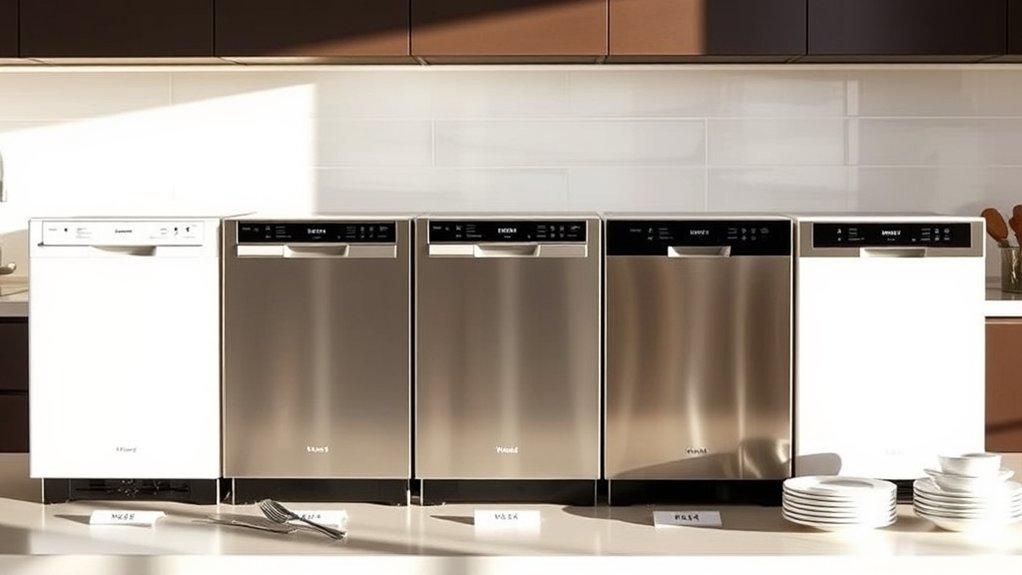
You’ll typically pay $300 to $2,500 for a dishwasher, while luxury models can cost $3,000 or more. Budget models offer dependable cleaning but fewer features and may run louder.
Mid-range options add adjustable racks, sensors, quieter operation, and stainless-steel tubs. Premium and luxury models provide stronger performance, advanced drying, smart controls, and near-silent operation.
You’ll also need to budget $150 to $500 for installation, delivery, hookups, and removal. Here’s what each price point includes.
Key Takeaways
- Budget dishwashers cost $300–$600 and offer dependable cleaning, though they may be noisier with fewer features.
- Mid-range dishwashers cost $600–$1,000 and typically include adjustable racks, stainless-steel tubs, sensors, and quieter operation.
- Premium dishwashers cost $1,000–$2,500, providing stronger construction, efficient cycles, advanced drying, and improved noise control.
- Luxury dishwashers cost $3,000 or more and feature premium materials, near-silent operation, smart controls, and specialized wash zones.
- Professional installation typically adds $150–$500, with higher costs when plumbing, electrical, cabinetry, or existing hookups require changes.
How Much Do Budget Dishwashers Cost?
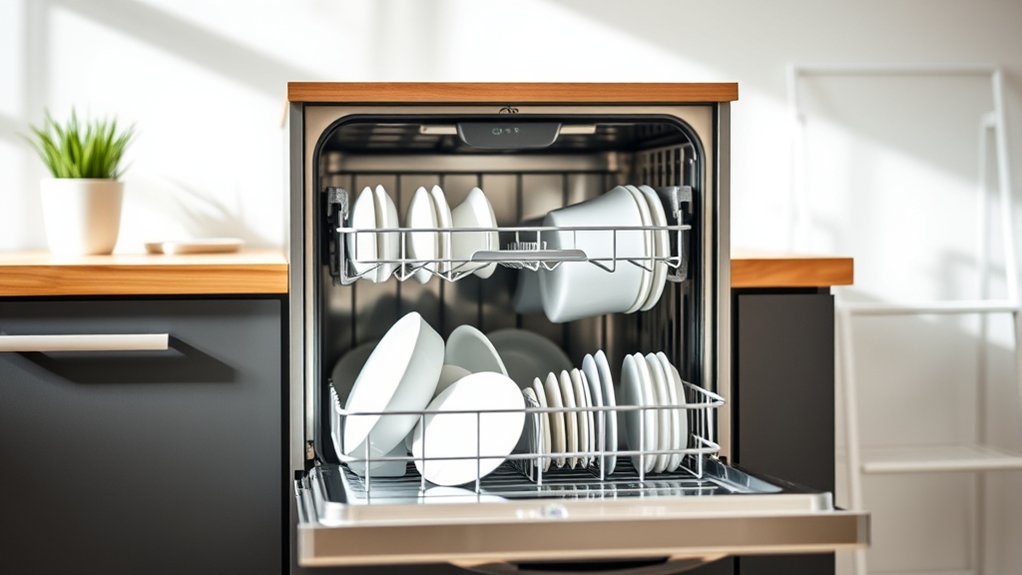
Budget dishwashers typically cost between $300 and $600, making them a practical choice for shoppers focused on affordability. At this price, you’ll usually find dependable cleaning, standard capacity, and straightforward controls without premium extras.
You may need to accept plastic tubs, fewer wash cycles, or simpler racks, but these compromises don’t necessarily affect everyday performance.
Before buying, compare energy efficiency ratings and estimated annual operating costs. A cheaper appliance can cost more over time if it uses substantially more water or electricity.
You should also check noise levels, especially if your kitchen connects to a living area. Budget models often run louder than expensive alternatives, so review the decibel rating and customer feedback.
Installation, delivery, hoses, and haul-away services can add to your total. Measure your opening carefully and confirm the retailer’s fees.
With realistic expectations and careful price comparisons, you can choose a budget dishwasher that handles daily dishes without straining your finances. Look for sales, rebates, and warranties to improve your value.
What Features Come With Mid-Range Dishwashers?
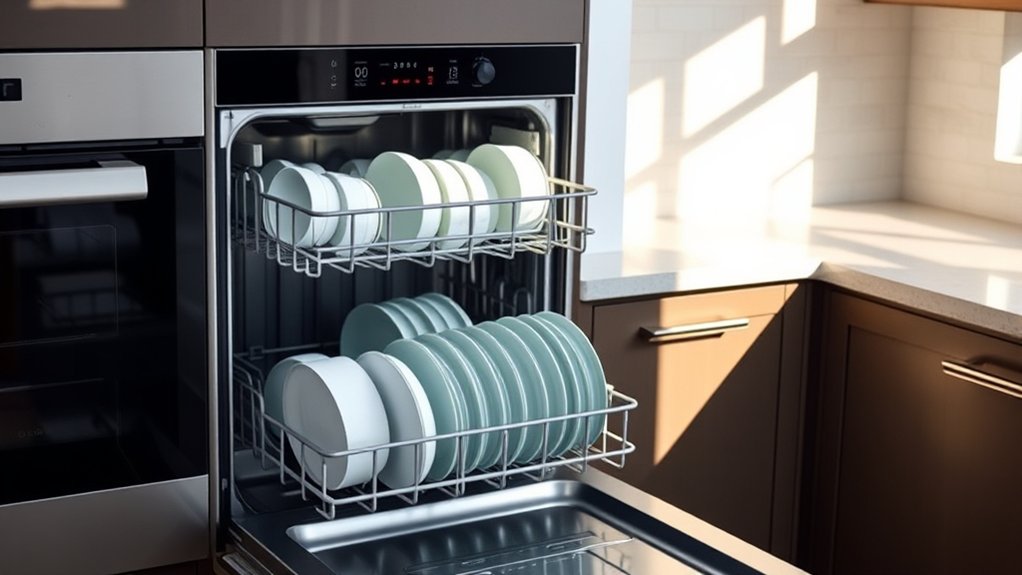
Mid-range dishwashers typically cost between $600 and $1,000 and add features that improve convenience, flexibility, and quiet operation. You’ll often get adjustable racks, fold-down tines, and a third rack for utensils, so you can arrange large cookware and smaller items more easily.
Soil sensors can adjust water use and cycle length based on how dirty your dishes are, supporting energy efficiency without sacrificing cleaning performance. You’ll also find several cycle options, such as normal, heavy, quick, and sanitize settings.
A delayed-start function lets you run the machine when utility rates are lower or when you’re away. Stainless-steel tubs improve durability and help retain heat, while heated-dry or fan-assisted drying reduces leftover moisture.
Before you buy, compare noise levels, measured in decibels. Many mid-range models operate quietly enough for open kitchens.
Leak-detection systems, status indicators, and removable filters add practical value. They also make it easier to maintain the appliance and handle everyday cleanup.
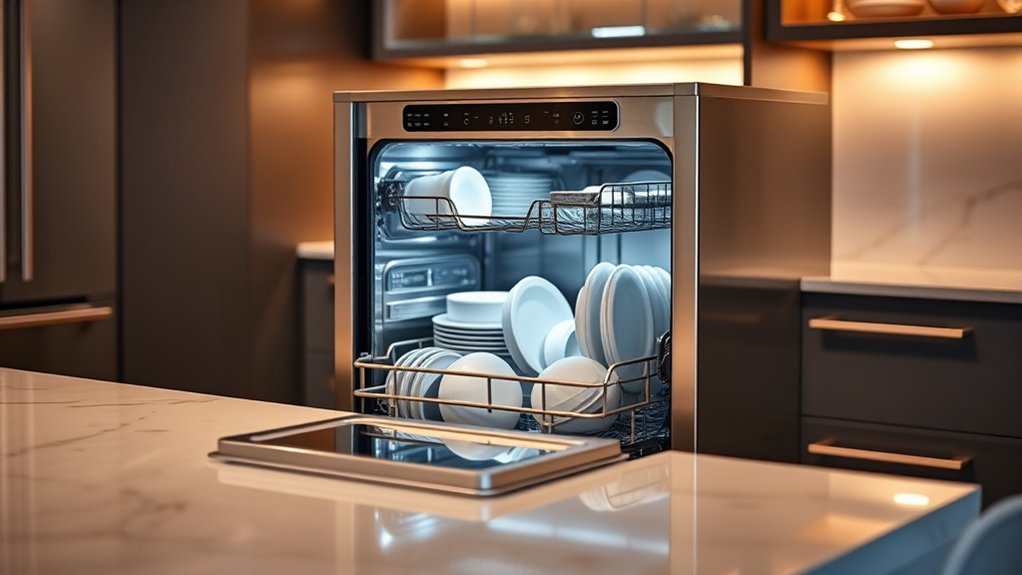
Premium dishwashers typically cost between $1,000 and $2,500, with luxury models exceeding $3,000. At this price point, you’re paying for stronger construction, refined performance, and useful convenience features rather than basic cleaning alone. Your final cost depends on capacity, installation requirements, finish, and selected options.
Energy efficiency can influence both the purchase price and your long-term utility bills. Models with efficient wash systems and drying cycles may cost more initially, but they can reduce water and electricity use over time.
You’ll also find improved noise levels, which matter if your kitchen connects to living or sleeping areas. Quieter operation often adds to the price, so compare decibel ratings before choosing.
Budget separately for delivery, installation, a required water line or electrical work, and removal of your old unit. Extended warranties may increase upfront spending, too.
Compare total ownership costs, retailer promotions, and rebates to decide whether a premium dishwasher fits your budget. It’s wise to measure your opening carefully before ordering.
What Do Luxury Dishwashers Offer?
Luxury dishwashers typically cost $3,000 or more and add higher-grade materials, exceptional sound insulation, and advanced cleaning systems. When you choose one, you’ll notice thoughtful details that improve daily performance, convenience, and durability without discussing installation.
You may appreciate features such as:
- Stainless-steel interiors that resist stains, odors, and corrosion
- Nearly silent operation, often below 40 decibels
- Smart technology that lets you monitor cycles, receive alerts, and customize settings
- Energy efficiency that reduces water and electricity use while protecting cleaning performance
- Specialized zones for delicate glassware, cookware, bottles, or heavily soiled dishes
Luxury models often include adjustable racks, soft-grip tines, interior lighting, and automatic detergent dispensing. Their sensors can detect soil levels and adjust water temperature, pressure, and cycle length accordingly.
You’ll also find powerful filtration and targeted spray arms that help deliver consistent results. Some brands offer sleek custom-panel designs, while others highlight sculpted handles and premium finishes.
These upgrades won’t suit every budget, but they can make sense if you value quiet operation, flexible loading, lasting materials, and hands-off control.
How Much Does Dishwasher Installation Cost?
Dishwasher installation typically costs $150 to $500, depending on your location, the installer’s rates, and whether the existing hookups are ready. A straightforward replacement usually costs less because you can reuse the water line, drain hose, and electrical connection.
Dishwasher installation usually costs $150 to $500, with straightforward replacements costing less when existing hookups are ready.
You’ll pay more if your installer must add cabinetry, extend plumbing, install an outlet, or replace outdated valves.
Before scheduling service, ask whether the quote includes delivery, removal of your old dishwasher, parts, and disposal fees. Confirm that the installer will test for leaks and verify the unit sits level.
If you’re replacing an older model, factor in potential savings from improved Energy efficiency and lower Water consumption. Those savings can offset installation expenses over time.
You might install the dishwasher yourself if you have plumbing and electrical experience, but mistakes can cause leaks or safety hazards. Hiring a qualified professional gives you reliable connections and may protect your appliance warranty.
Get multiple written estimates so you can compare total costs accurately.
Frequently Asked Questions
How Long Does a Typical Dishwasher Last?
A typical dishwasher lasts about 10 years, though yours may run longer with proper care. You can prolong its life by cleaning the filter, removing mineral buildup, loading dishes correctly, and addressing leaks or unusual noises promptly.
Schedule professional dishwasher repair when problems appear instead of waiting for complete failure. If you replace the appliance, careful dishwasher installation helps prevent damage and guarantees efficient operation. Usage, water quality, maintenance, and model quality all affect longevity.
What Dishwasher Size Fits My Kitchen Space?
Measure twice, install once: you’ll usually need a standard 24-inch dishwasher, but compact kitchens may suit an 18-inch model. Measure the opening’s width, height, and depth, allowing room for hoses, ventilation, and door clearance.
Check your Kitchen layout to confirm the door won’t block cabinets or walkways. Verify Appliance compatibility, including electrical connections, plumbing, and countertop height.
If space remains tight, consider a portable or countertop dishwasher.
How Energy-Efficient Are Modern Dishwashers?
Modern dishwashers are highly energy-efficient, often using less water and electricity than hand-washing comparable loads. You’ll maximize energy savings by choosing an ENERGY STAR-certified model, running full loads, and selecting eco or air-dry cycles.
Many include eco friendly features such as soil sensors, efficient filtration, delayed starts, and low-water spray systems. Although cycles may run longer, they clean effectively while reducing utility costs and environmental impact over the appliance’s lifetime for your household.
How Much Water Does a Dishwasher Use per Cycle?
You’ll typically use 3–5 gallons of water per cycle with a modern ENERGY STAR dishwasher, while older models may consume 10 gallons or more. Water consumption varies by cycle, soil level, and machine design, so check your appliance’s specifications for an accurate figure.
Running full loads helps you maximize each gallon. You’ll also gain energy savings because efficient dishwashers heat less water and often use less electricity than hand washing.
What Maintenance Does a Dishwasher Require?
You can keep your dishwasher working forever with a few simple habits. Follow these maintenance tips: scrape dishes, clean the filter weekly, wipe the door gasket, inspect spray arms, and run a monthly cleaning cycle with dishwasher cleaner.
Don’t overload racks, and use the recommended detergent. Watch for common repairs, including clogged drains, worn seals, broken spray arms, and faulty pumps. Address leaks or unusual noises promptly to prevent expensive damage.
Conclusion
From budget models to luxury machines, dishwasher prices rise as features improve, but your dishes still won’t load themselves. You can spend less upfront with a basic unit or pay more for quieter operation, smarter cycles, and polished finishes.
Don’t forget installation costs, which can add to your total. Compare capacity, efficiency, warranties, and features before you buy.
After all, the best dishwasher isn’t necessarily the priciest one. It’s the one that saves you time and fits your budget.