What Is a Washer and Dryer Combo?
Laundry can feel like a never-ending chore, especially when you’re short on space or tired of moving wet clothes between appliances. You’re not alone—many people struggle to fit separate machines into their homes.
A washer and dryer combo can simplify the process by handling both tasks in one appliance.
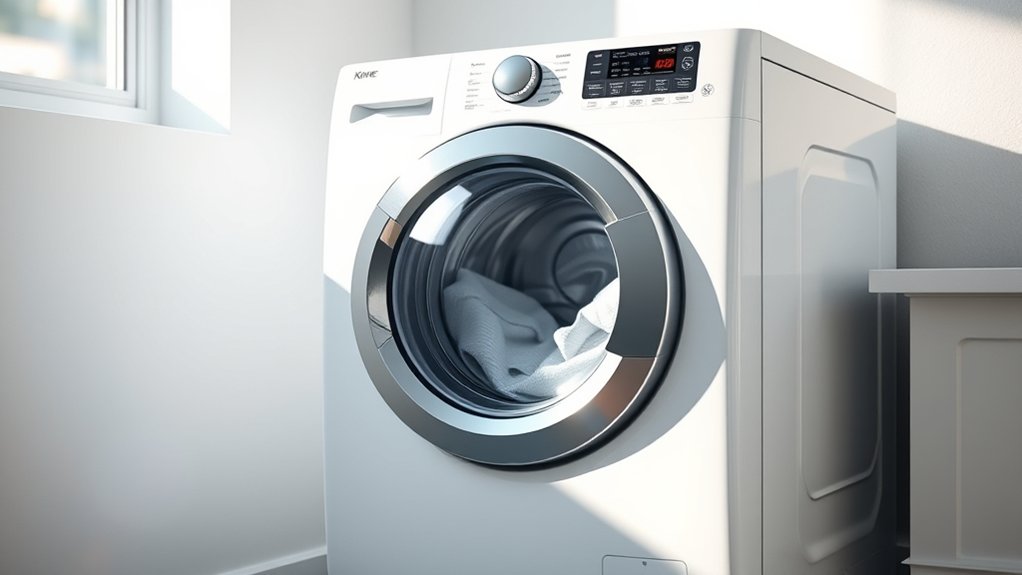
A washer and dryer combo lets you wash and dry clothes in one appliance, so you don’t transfer laundry between machines. You load the drum, choose a cycle, and let it handle washing, rinsing, spinning, and drying.
Most models use ventless condensation or heat-pump technology, making them useful in apartments and compact spaces. They save room and simplify laundry, but cycles may take longer and drying capacity can be smaller.
Keep exploring to see whether a combo suits your home.
Key Takeaways
- A washer and dryer combo is one appliance that washes and dries clothes in the same drum.
- It eliminates transferring laundry between separate machines, saving space and simplifying household routines.
- Most models wash, spin, and dry automatically after you select a single continuous cycle.
- Ventless models condense moisture, while vented models expel humid air through ductwork.
- Combos suit apartments and compact homes, but typically have smaller capacities and longer drying times.
What Is a Washer and Dryer Combo?
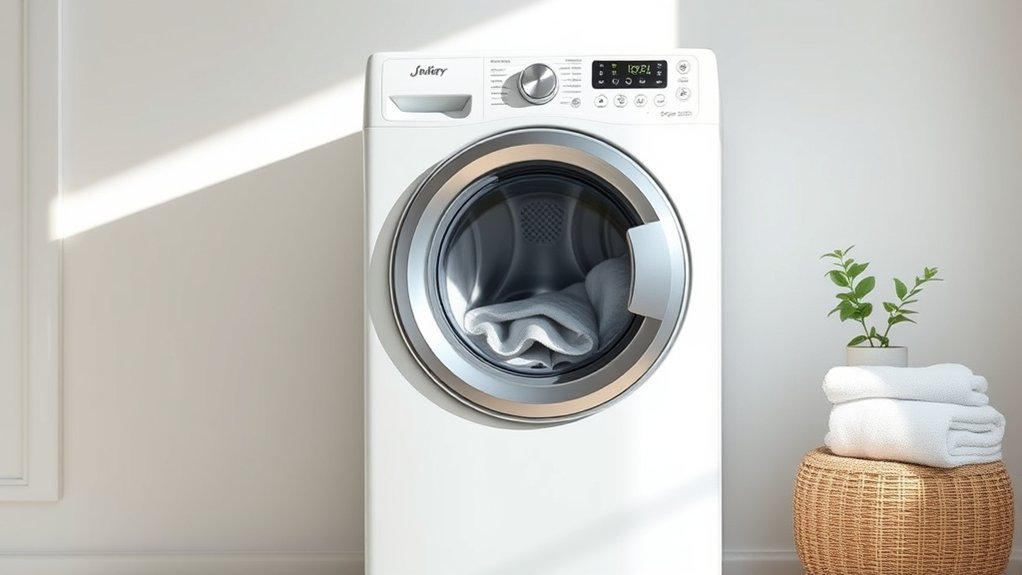
A washer and dryer combo is a single appliance that washes and dries clothes in the same drum, so you won’t need to transfer laundry between two machines. You can place it in a compact laundry area, apartment, or home without room for separate units.
Wash and dry your clothes in one compact appliance without transferring laundry between separate machines.
This design gives you one streamlined solution for everyday clothing care while reducing the number of appliances you need to buy, install, and maintain.
You’ll find combo models in different sizes, capacities, and configurations to match your household’s needs. Some fit beneath counters, while others stand independently.
Their shared cabinet creates a clean, uncluttered appearance and can simplify your laundry setup. The main appeal is convenience: you load your clothes once and choose a suitable cycle without moving them by hand.
As appliance innovation continues, these machines offer improved laundry efficiency, helping you manage routine washing and drying when space, time, or simplicity matters most in your home.
How Does a Washer and Dryer Combo Work?
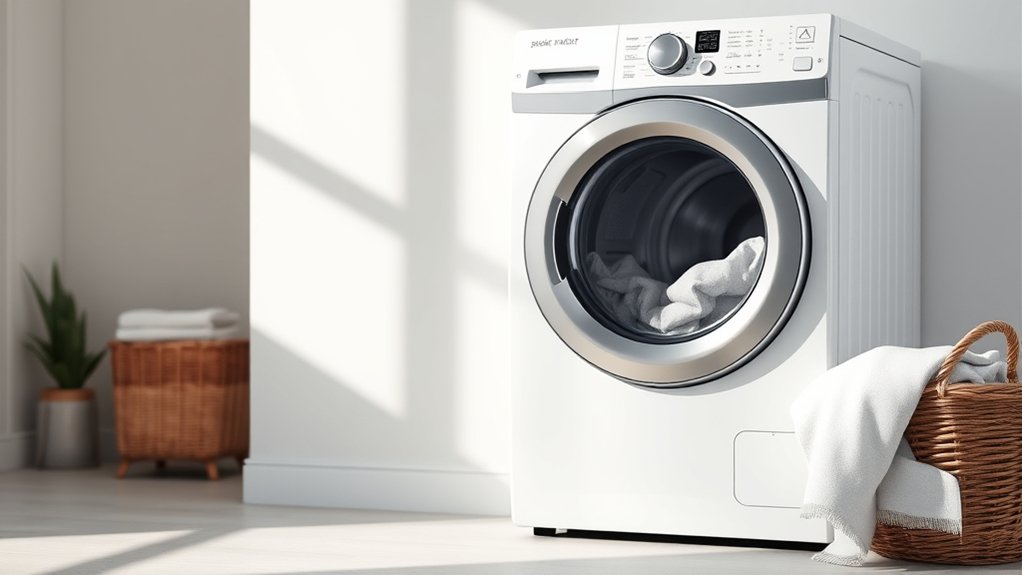
You load your clothes once, and the combo washer-dryer takes care of the rest. It washes, rinses, and spins your laundry before drying it with heated air. In ventless models, a heat exchanger condenses the steam and recycles the warmth to improve efficiency.
Wash Cycle Process
How does the wash cycle work in a washer and dryer combo? You load your clothes, add detergent, and choose a program that matches the fabric and soil level. The machine locks the door, weighs the load, and adjusts water usage, time, and movement.
It then fills the drum, mixes detergent with water, and tumbles your clothes to loosen dirt. During rinsing, fresh water removes soap while the drum spins at increasing speeds.
A final spin extracts excess water, preparing the load for the next stage without requiring you to transfer it. Energy efficiency depends on the selected cycle, load size, and water temperature.
Noise levels can vary, although balanced loads and a level floor help keep operation quieter. Sensors may also adjust each phase automatically for consistent cleaning.
Drying Mechanism Explained
Once the wash cycle ends, the combo unit dries clothes inside the same drum by circulating heated air through the tumbling load. As you use this cycle, the drum keeps turning to separate fabrics, helping warm air reach every garment.
Moisture leaves the clothes as vapor, while sensors can monitor temperature and dryness. The cycle stops when your load is ready.
- You’ll get the best results when you avoid overloading the drum.
- Shake out heavy items so they don’t trap dampness.
- Choose a lower heat setting to protect delicate fabrics.
- Clean the lint filter regularly to maintain energy efficiency.
You may notice longer drying times than with a separate dryer, especially for bulky loads. Still, the single-drum design saves space and can simplify laundry days.
Check noise levels before bedtime, because tumbling and airflow may remain audible during operation. Always follow the care labels and your model’s instructions.
Ventless Heat Exchange
In a ventless washer and dryer combo, warm air passes through your clothes and carries away moisture without venting outdoors. The machine pulls this damp air into a heat exchanger, where cooler surfaces condense the moisture into water.
A pump then moves the collected water to the drain, while the exchanger recycles the heat and sends drier air back through your garments. You won’t need an exterior duct, so installation works in apartments, closets, and other tight spaces.
This closed-loop process uses less energy than many traditional dryers, making it an example of Eco friendly technology. It also supports noise reduction because the sealed design limits airflow turbulence and eliminates loud outdoor venting.
Although cycles may take longer, you’ll get convenient drying with lower heat loss and flexible placement.
How Does the Drying Cycle Work?
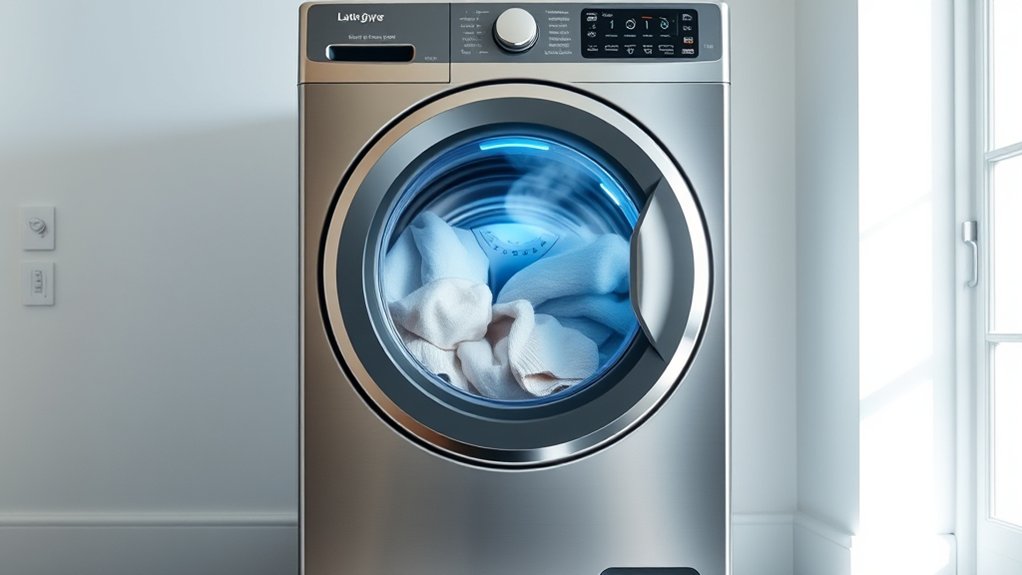
The drying cycle uses heated air to pull moisture from your clothes and vent or condense it, depending on the washer-dryer combo’s design. After washing, the machine spins your load to remove excess water.
It then tumbles garments while circulating warm air, helping moisture leave the fabric evenly. Sensors may monitor humidity and temperature, adjusting heat or time to prevent over-drying.
- Air movement: A fan pushes warm air through the drum and across your clothes.
- Moisture removal: The damp air exits through a vent or passes over a condenser, where water collects.
- Temperature control: The machine reduces heat as fabrics dry, supporting energy efficiency and protecting delicate items.
- Finish and cooling: A final cool-down lowers fabric temperature and reduces wrinkles before the door release.
You’ll typically hear different noise levels during tumbling, fan operation, and spinning. Sort items by fabric type, avoid overloading, and clean the lint filter regularly.
These habits improve airflow, drying performance, and safety. Drying times vary with load size, fabric thickness, and selected settings.
Which Types of Washer Dryer Combos Exist?
Washer dryer combos come in several types, each using a different drying method and offering distinct installation options. You can choose ventless models, which remove moisture through condensation or heat-pump technology instead of sending air outdoors.
Condensation units cool humid air, collect water in a reservoir, and suit apartments without exterior vents. Heat-pump combos recycle warm air, use less energy, and typically protect fabrics with gentler temperatures, though cycles may take longer.
You’ll also find vented all-in-one machines, which expel moist air through ductwork. They can dry faster, but you’ll need a suitable vent connection.
Some models use a washer drum for every cycle, while others pair separate compartments in one cabinet, letting you wash and dry simultaneously.
When comparing options, check Smart technology, such as app controls, automatic detergent dosing, and maintenance alerts. Review Noise levels, especially if you’ll install the unit near bedrooms.
Finally, measure your space and confirm electrical, drainage, and ventilation requirements before buying.
How Much Laundry Fits in a Combo?
Your combo unit typically handles a small to medium laundry load, so check its cubic-foot capacity before filling the drum. Leave enough space for clothes to tumble freely, especially during the drying cycle. Bulky items, such as comforters, may be too large for the drum or require separate washing and drying.
Typical Load Capacity
Combo washer-dryers typically handle about 2 to 5 cubic feet of laundry, or roughly 8 to 18 pounds per cycle. Your model’s washer capacity may exceed its dryer capacity, so you’ll often need to remove part of the load before drying.
Check the manufacturer’s pounds-per-cycle rating rather than guessing from drum size.
- Small loads: Choose compact models for one or two people and frequent washing.
- Medium loads: A mid-size unit suits weekly clothing, towels, and linens for a small household.
- Large loads: Higher-capacity models reduce cycles for families, but they may require more space.
- Best results: Fill the drum loosely, leaving room for clothes to tumble and dry evenly.
A properly sized load supports energy efficiency, shorter programs, and balanced noise levels. Overloading can leave fabrics damp and increase cycle time.
Bulky Item Limits
Bulky items such as comforters, blankets, and bath mats can quickly exceed a combo unit’s practical limits, even when they fit inside the drum. You’ll get better results by washing one large item at a time, leaving enough space for water and movement.
An overloaded drum can prevent thorough cleaning, trap detergent, and leave fabrics damp after drying. Check your owner’s manual for weight limits, since compact and full-size combos handle different loads.
Use the recommended amount of detergent, and verify which detergent types suit your machine, especially if it requires high-efficiency formulas. You should also watch noise levels; thumping often signals an unbalanced or oversized load.
For thick comforters, a laundromat’s larger machines may clean and dry more evenly, saving you time and protecting your combo unit.
What Are the Benefits of Combo Machines?
Washer-dryer combos save space, simplify laundry day, and let you wash and dry clothes in one appliance. You can load dirty garments once, select a cycle, and return to clean, dry laundry without transferring items. That streamlined process suits apartments, small homes, and busy schedules.
Washer-dryer combos streamline laundry by saving space, reducing handling, and delivering clean, dry clothes in one continuous cycle.
- Space efficiency: You’ll need only one footprint instead of separate machines, leaving room for storage or other appliances.
- Convenience: Automatic washing and drying reduces handling, so you can spend less time managing laundry.
- Energy and water options: Many models offer efficient cycles, sensors, and adjustable settings that help you match resource use to each load.
- Smart control: Innovative features, such as app monitoring, delayed starts, and specialized programs, give you greater control.
When you investigate Brand comparisons, you can identify capacity, cycle variety, design, and connectivity that fit your routine. A combo machine also creates a cleaner, more organized laundry area while supporting a simple, continuous workflow from dirty clothes to ready-to-wear items. With the right settings, you’ll make everyday laundry feel more manageable.
What Are the Drawbacks of Combo Machines?
Although a washer-dryer combo can simplify laundry, it may take longer to complete a load and dry fewer items than it washes. You’ll often need to remove part of a wash load before drying, especially with bulky towels or bedding. That extra handling can make laundry feel less convenient when you’re managing several loads.
Drying may also take longer than it does in a separate dryer, so you’ll wait before starting the next wash. If you rely on quick turnaround, this limitation can become frustrating. Limited capacity may also restrict your choices when washing large household items.
Noise levels can vary by model, and you might notice humming, tumbling, or vibration during extended cycles, particularly in a small apartment.
Maintenance can feel more involved, too. You’ll need to clean filters, seals, and vents regularly to prevent odors and performance problems. Finally, Energy efficiency varies widely, so you should compare models rather than assume every combo saves energy.
How Much Energy and Water Do Combos Use?
- Choose an ENERGY STAR–certified model when available.
- Match each load’s size to the drum’s capacity.
- Use eco, cold-water, or reduced-temperature cycles when suitable.
- Spin clothes thoroughly so the dryer removes moisture more efficiently.
Your utility rates also affect the final bill. A compact combo may use less water than separate full-size units, especially for small households, but frequent loads can increase consumption.
Utility rates and household size determine whether a compact combo actually saves money, particularly when frequent loads increase consumption.
Read both electricity and water estimates, not just the purchase price, to judge savings accurately. Consider local tariffs before deciding.
How Do You Maintain a Washer Dryer Combo?
To keep your washer dryer combo efficient and odor-free, clean the door seal after each use and leave the door ajar so the drum can dry. Wipe the detergent dispenser weekly, removing residue that can cause mold or poor cleaning.
Run a monthly maintenance cycle with a washer cleaner, following the product instructions. Check and clean the drain pump filter regularly, placing a towel underneath to catch trapped water.
Inspect hoses for cracks, bulges, or leaks, and replace damaged parts promptly. Don’t overload the drum; balanced loads reduce strain and improve drying.
Use the recommended detergent and measure it carefully, since excess suds can leave buildup. Keep the exterior and control panel dry.
During appliance installation, verify the combo stands level and has proper ventilation and clearance. Thoughtful Laundry room design also helps: leave space for access, protect nearby surfaces from moisture, and keep supplies away from vents.
Schedule professional service when unusual noises, persistent odors, or error codes appear.
Is a Washer and Dryer Combo Right for You?
A washer and dryer combo may suit you if you value space savings and convenience more than speed and capacity. It washes and dries in one cabinet, making it useful for apartments, small homes, or minimalist Laundry room design. Before buying, consider these points:
- Your laundry volume: Smaller wash-and-dry capacities may require several cycles for a family.
- Your schedule: Drying often takes longer than a separate dryer, so it may not fit rushed routines.
- Your budget: One appliance saves floor space, but advanced models can cost more upfront.
- Your maintenance habits: Clean filters, avoid overloading, and follow Appliance repair tips to prevent performance problems.
Choose a combo if you want fewer transfers, less bending, and flexible installation. Select separate machines if you regularly wash bulky items, need rapid cycles, or prefer independent washing and drying.
Compare ventless operation, energy ratings, warranty coverage, noise levels, and available service before deciding. Measure doors and clearances, too, because installation limitations can affect your choice.
Frequently Asked Questions
Cuánto Cuesta Una Lavadora-Secadora Combinada?
Una lavadora-secadora combinada suele costar entre 600 y 2.000 euros, aunque los modelos premium pueden superar esa cifra. Deberías comparar la eficiencia energética, la capacidad de carga, los programas y la velocidad de centrifugado antes de comprar.
También revisa la garantía y el consumo de agua. Si buscas ahorrar espacio, una opción intermedia de 800 a 1.200 euros normalmente ofrece buen rendimiento, funciones prácticas y suficiente capacidad para un hogar promedio.
Qué Marcas Fabrican Las Mejores Lavadoras-Secadoras Combinadas?
Las mejores lavadoras-secadoras combinadas suelen fabricarlas LG, Samsung, Bosch, Miele, Electrolux y Whirlpool.
Si buscas tecnología innovadora, LG y Samsung destacan por sus ciclos inteligentes, conectividad y funciones de vapor.
Para priorizar la eficiencia energética, Bosch y Miele ofrecen modelos silenciosos, duraderos y de bajo consumo.
Electrolux y Whirlpool equilibran un buen rendimiento y un precio competitivo.
Antes de comprar, compara la capacidad, los programas, la garantía, el consumo anual y la disponibilidad de servicio técnico en tu zona.
Cuánto Espacio Necesita Una Lavadora-Secadora Combinada?
Necesitas aproximadamente 60 cm de ancho, 65 cm de fondo y 85 cm de alto para una lavadora-secadora combinada estándar. Más del 90 % de los modelos domésticos caben en ese espacio, aunque debes dejar 5 cm adicionales detrás para conexiones y ventilación.
Mide también puertas y pasillos antes de comprar. Revisa la Eficiencia energética y los Programas de lavado, porque ambos pueden influir en el tamaño, rendimiento y tiempo de funcionamiento.
Se Puede Instalar Una Lavadora-Secadora Combinada En Cualquier Hogar?
Sí, puedes instalar una lavadora-secadora combinada en muchos hogares, pero primero debes comprobar varios requisitos. Verifica la compatibilidad de espacio, incluyendo ancho, profundidad, altura y ventilación.
Confirma que el suelo soporte el peso y que existan conexiones adecuadas de agua, desagüe y electricidad. Algunos modelos requieren instalación especializada, especialmente si necesitan salida de aire.
Revisa siempre las instrucciones del fabricante y consulta a un técnico si tu vivienda tiene limitaciones estructurales o eléctricas.
Qué Garantía Ofrecen Las Lavadoras-Secadoras Combinadas?
La garantía que recibes para una lavadora-secadora combinada suele cubrir defectos de fabricación durante uno o dos años, aunque algunas marcas amplían la cobertura del motor, tambor o compresor. Revisa las condiciones específicas antes de comprar, porque podrían excluir daños por instalación incorrecta, sobrecarga o reparaciones no autorizadas.
Para conservarla, realiza Mantenimiento regular y practica un Uso eficiente. Así protegerás tu inversión y evitarás inconvenientes cuando necesites asistencia técnica o piezas de reemplazo.
Conclusion
A washer and dryer combo can simplify laundry by washing and drying clothes in one compact machine. You’ll save space and avoid transferring loads, but you’ll need to consider smaller capacities, longer cycles, and possible energy use.
Regular cleaning and maintenance will keep it running efficiently. If you live in a small home or value convenience, a washer and dryer combo may fit your needs like a glove.
Compare features, capacity, and efficiency before choosing the model that’s right for you.