How Cold Should a Freezer Be for Optimal Storage?
Many people struggle to keep frozen food fresh, organized, and safe. You’re not alone—finding the right freezer temperature can help prevent waste and protect the quality of your food.
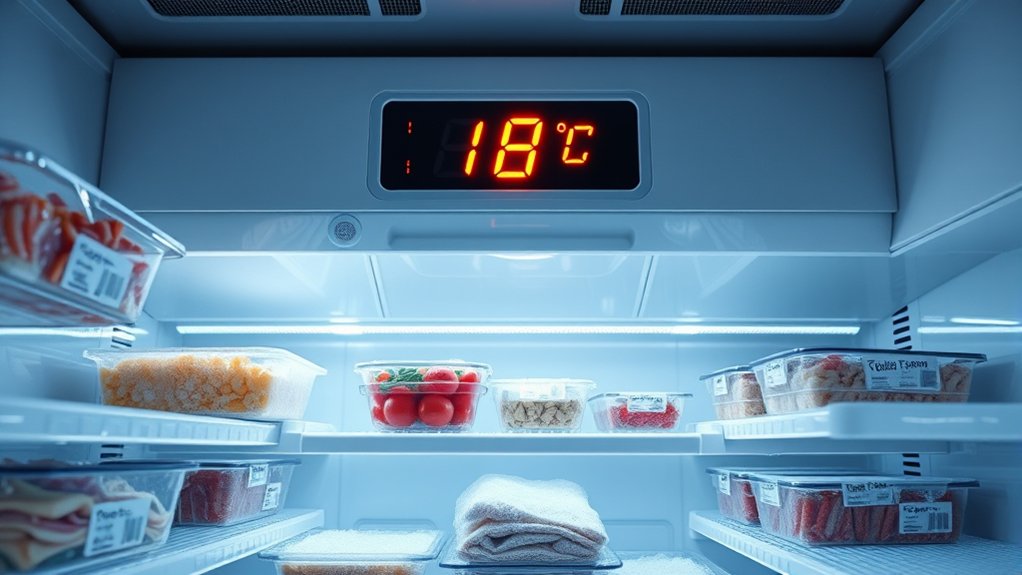
Set your freezer to 0°F (-18°C) for ideal food safety and quality. This temperature keeps food safely frozen while slowing freezer burn, texture changes, and nutrient loss.
Check the actual temperature with a standalone freezer thermometer, placing it near the center away from vents and walls. Keep the door sealed, avoid overloading, and leave room for airflow.
During an outage, keep the door closed.
You’ll find more tips for monitoring, organizing, and protecting frozen food below.
Key Takeaways
- Set your freezer to 0°F (-18°C) for safe, long-term food storage and optimal quality.
- Verify the actual temperature with a standalone freezer thermometer, ideally placed in the center.
- Check the temperature monthly and after power outages, adjustments, or adding large amounts of food.
- Keep the door sealed, vents unobstructed, and freezer sufficiently organized to maintain consistent airflow.
- During outages, keep the door closed. A full freezer generally stays cold for about 48 hours.
What Is the Best Freezer Temperature?
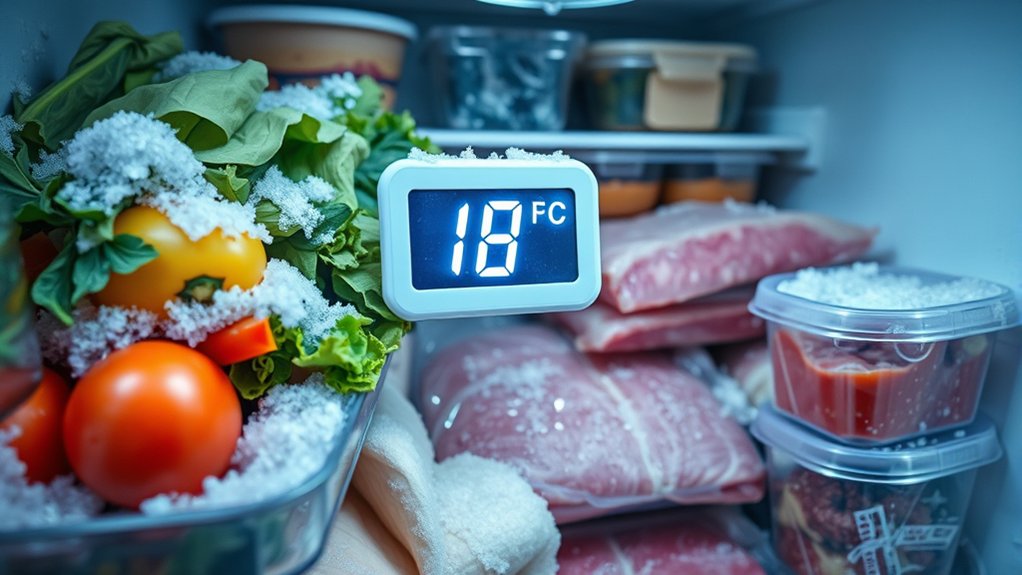
The best freezer temperature is 0°F (-18°C), which keeps food safely frozen while preserving its quality. Set your appliance to this target with its control dial or digital display, then use a standalone freezer thermometer to verify the actual temperature. Built-in settings can vary, so the thermometer gives you a clearer reading of the storage space.
Check the temperature after loading groceries, adjusting the control, or experiencing a power interruption. Keep the door closed during these checks to avoid warm air entering.
You can improve temperature stability by leaving space around packages for air circulation, while avoiding an overpacked interior that blocks vents. At the same time, don’t leave the freezer nearly empty, since frozen items help hold cold air.
Choose a setting that supports energy efficiency without letting the temperature rise above 0°F. If your freezer fluctuates widely, inspect the door seal, ventilation, and thermostat, or arrange professional service when adjustments don’t correct the reading.
Why Should a Freezer Stay at 0°F?
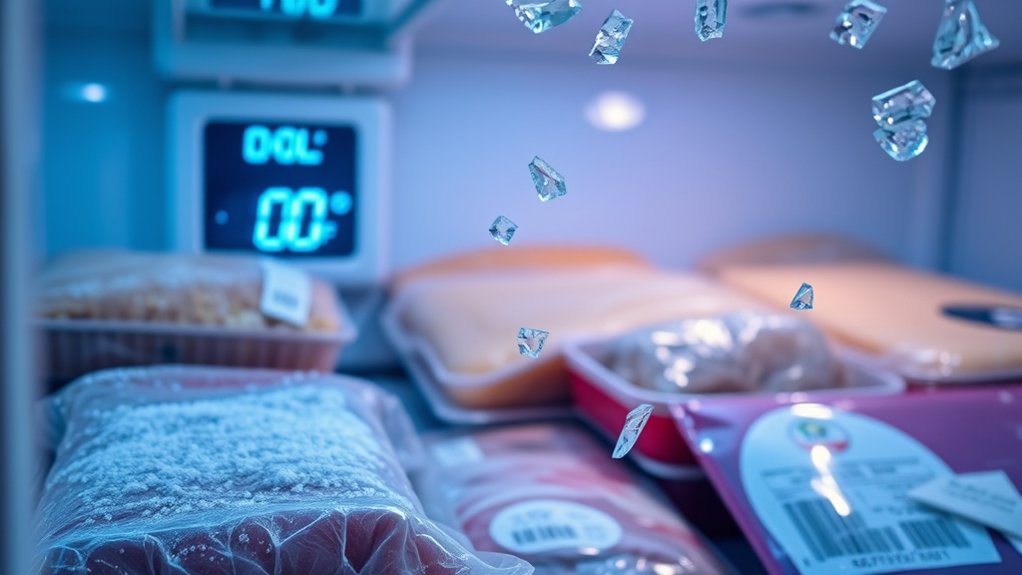
Keeping your freezer at 0°F (-18°C) does more than maintain a steady reading. It keeps food safely frozen and slows quality loss. At this temperature, harmful bacteria can’t grow, so you’ll protect foods during long-term storage.
Freezing doesn’t destroy every microorganism, but it pauses their activity until you thaw the food.
A stable 0°F setting also helps preserve texture, flavor, color, and nutrients better than warmer conditions. Meat, vegetables, prepared meals, and frozen desserts can remain usable longer when you maintain this consistent target.
Warmer temperatures encourage ice crystals to melt and refreeze, causing freezer burn and unwanted texture changes.
Accurate temperature regulation supports food safety and reduces unnecessary cycling. Your freezer may work harder if you set it much colder, increasing energy use without providing meaningful storage benefits.
Maintaining 0°F balances protection and energy efficiency. You’ll also reduce waste by keeping stored food’s quality intact, making your freezer more dependable for everyday meal planning and extended storage.
How to Check Your Freezer Temperature
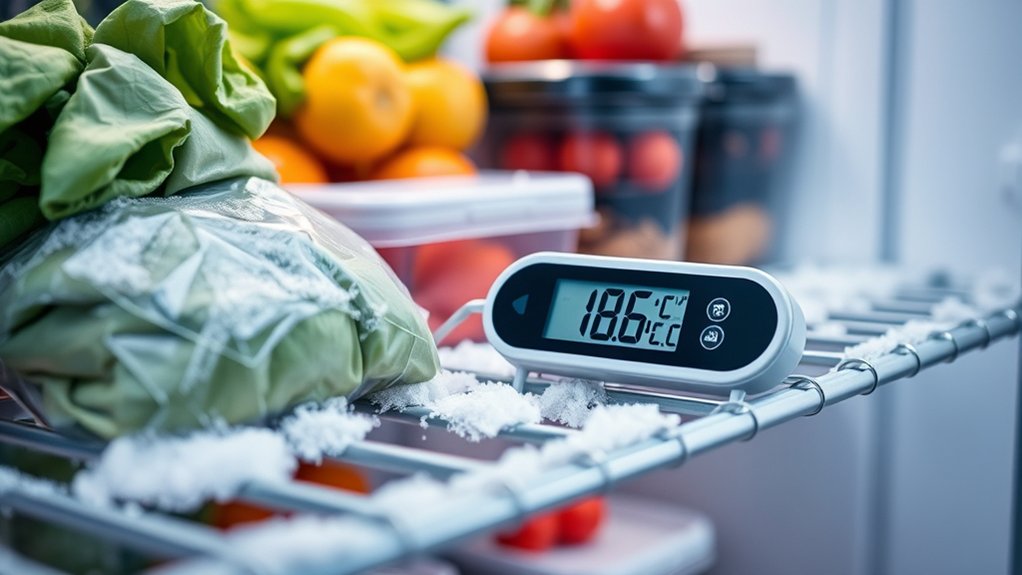
To check your freezer temperature, place an appliance thermometer inside and leave it undisturbed for several hours. Read it when you open the door briefly, then compare the result with the recommended 0°F setting.
For a reliable measurement, check the thermometer at a consistent time, preferably after the freezer has completed a cooling cycle. Avoid judging temperature by ice buildup, food firmness, or the appliance’s dial alone.
If the reading differs from 0°F, adjust the control gradually rather than making a large change. Wait several hours, or overnight, before checking again.
Temperature calibration matters, so test the thermometer against a known reference or follow the manufacturer’s instructions if readings seem inaccurate.
Confirm proper freezer placement, since surrounding heat, direct sunlight, or poor ventilation can affect performance. Keep the door closed during testing, and record each reading.
If temperatures remain unstable after adjustment, inspect the door seal and consult a qualified technician.
Where Should the Thermometer Go?
Place the appliance thermometer in the center of the freezer, away from the walls, door, vents, and direct contact with frozen food. This location gives you a more reliable reading of the freezer’s overall air temperature. Avoid placing it in the door, where frequent opening exposes it to warmer air, or beside the cooling outlet, where the reading may be unusually cold.
For accurate Thermometer placement, position the device on a shelf with enough space around it for air to circulate. Don’t bury it beneath packages or let it rest against a frozen container. Keep it visible so you can read it without leaving the door open for long.
Check the thermometer after the freezer has remained closed for several hours, preferably overnight. If you use a digital model, follow its instructions for Temperature calibration and battery checks. A calibrated thermometer helps you judge storage conditions accurately and confirms that the displayed reading reflects the freezer’s interior, not a localized cold or warm spot.
How to Fix a Freezer That’s Too Warm
If your freezer is warmer than 0°F (-18°C), check that the door seals tightly and isn’t being held open by packages. Clear blocked vents, then confirm the appliance has space around it for airflow.
Avoid adding several warm items at once. Let recently cooked food cool in the refrigerator first.
| Check | What you’ll do | When to act |
|---|---|---|
| Door gasket | Clean and inspect the seal | Replace if cracked |
| Airflow | Move food from vents | Do this immediately |
| Frost buildup | Unplug and defrost safely | Call for help if it returns |
Set the control slightly colder and wait 24 hours before judging the result. Use an independent thermometer to verify temperature calibration, since the dial may not show the actual compartment temperature.
If the freezer still struggles, check the condenser coils for dust and clean them according to the manual. Persistent warmth, unusual noises, or a failed fan needs professional freezer repair.
Keep food safely frozen during troubleshooting.
Can a Freezer Be Too Cold?
Yes, a freezer can be too cold. Although lower temperatures usually indicate strong cooling, an extreme setting may signal a malfunctioning thermostat, blocked air vents, or failing controls.
You should generally set your freezer to 0°F (-18°C), then use an appliance thermometer to confirm its actual temperature. If readings fall well below this level, inspect the door seal and check whether anything obstructs airflow.
Poor freezer insulation can also force the appliance to run excessively. Look for damaged seals, frost around the frame, or gaps in the cabinet.
You shouldn’t scrape ice with sharp tools, since you could puncture refrigerant lines. Instead, follow safe defrosting techniques: unplug the unit, move food to a suitable cooler, let ice melt naturally, and dry every surface before restarting it.
If the freezer remains unusually cold after you adjust the controls, contact a qualified technician. Don’t tamper with refrigerant components or electrical parts, because repairs require specialized equipment and training.
How Freezer Temperature Affects Food Quality
Freezing food at 0°F (-18°C) preserves its quality by slowing chemical changes and preventing most microbial growth. At this temperature, you’ll help retain flavor, color, nutrients, and texture for longer storage.
Colder settings won’t necessarily improve food quality. They may increase energy use and make temperature consistency harder if your freezer cycles excessively.
Warmer conditions can partially thaw food, allowing ice crystals to grow and damage its structure when refreezing occurs. You’ll notice this effect most in fruits, vegetables, meats, and prepared meals with high water content.
For effective food preservation, set your freezer to 0°F and use a reliable appliance thermometer to verify the actual temperature. Keep the door closed as much as possible, because frequent openings introduce warmer air and create fluctuations.
Don’t overload the compartment, but leave enough space for cold air to circulate. Stable conditions help your food maintain its original quality until you’re ready to use it.
How to Prevent Freezer Burn
To prevent freezer burn, keep your freezer at 0°F (-18°C) or below. Store food in airtight packaging, pressing out as much air as possible before sealing it. Also, use frozen foods within the recommended storage times.
Maintain Proper Temperature
Keep your freezer at 0°F (-18°C) or below to slow moisture loss and help prevent freezer burn. Use an appliance thermometer to check accuracy, because built-in displays can misread temperatures.
Limit door openings, close the door promptly, and leave space around vents so cold air circulates evenly. These habits support Energy efficiency and reduce frost buildup, which can force your freezer to work harder.
Check the temperature after power interruptions or when loading groceries.
| Check | Target | Action |
|---|---|---|
| Temperature | 0°F (-18°C) or below | Adjust the control |
| Door seal | Tight closure | Inspect for gaps |
| Airflow | Clear vents | Rearrange items |
Keep frozen foods away from the door, where temperatures fluctuate most.
If the freezer rises above 0°F, restore the setting promptly and monitor it until stable. Regular checks protect quality and limit moisture loss.
Use Airtight Packaging
Airtight packaging limits contact with dry freezer air, helping prevent freezer burn and preserve food’s texture and flavor. Choose Airtight containers with secure, leak-resistant lids for soups, sauces, cooked meals, and delicate ingredients.
Leave minimal empty space, because trapped air can promote ice crystals and dull quality. For solid foods, wrap each portion tightly in freezer-safe plastic or foil, then place it inside a sealed bag or container for extra protection.
Press excess air from bags before closing them, and check that seals remain fully closed. Vacuum sealing removes most air and creates a compact barrier around meat, fish, vegetables, and baked goods.
Label packages clearly with contents and preparation dates, and keep raw foods separate from ready-to-eat items to prevent leaks and contamination.
Limit Storage Time
Even with airtight packaging, food quality declines over time in the freezer. Limit Storage duration to preserve flavor, texture, and nutritional value.
Although freezing keeps food safe indefinitely at 0°F (-18°C), quality steadily decreases. Use Freezer organization to rotate older packages forward and label each item with its name and freezing date.
- Meat and poultry: Use within several months, following recommended guidelines.
- Soups and casseroles: Aim for two to three months for the best texture.
- Fruits and vegetables: Check recommended storage periods, as quality varies.
- Baked goods: Consume within two to six months to reduce dryness.
Inspect packages regularly for ice crystals, faded color, or dry patches. These signs indicate freezer burn, which isn’t dangerous but can harm taste.
Divide large portions, remove excess air, and freeze food promptly to extend quality. A simple inventory helps you avoid forgotten packages.
Is Food Safe After a Power Outage?
Wondering whether food is safe after a power outage? Keep the freezer closed so cold air stays trapped inside. A full freezer generally keeps food frozen for about 48 hours, while a half-full freezer typically lasts around 24 hours. If food still contains ice crystals or feels as cold as refrigerated food, you can usually refreeze or cook it safely, although texture may change.
Discard perishable items that have fully thawed and remained above 40°F for more than two hours. Never taste food to judge its safety, and throw away anything with an unusual odor, color, or texture. Meat, poultry, seafood, eggs, and leftovers deserve special caution.
For better power outage safety, group frozen foods together, avoid opening the door, and use a cooler with ice if the outage continues. After power returns, clean spills promptly and inspect seals as part of freezer maintenance. When in doubt, throw it out rather than risk foodborne illness.
How Often Should You Check Freezer Temperature?
How often should you check your freezer temperature? Check it at least once a month to confirm it stays at 0°F (-18°C), the recommended setting for safe, long-term storage. Use a reliable appliance thermometer rather than trusting the control dial alone.
Check your freezer temperature monthly with a reliable appliance thermometer to ensure it remains at 0°F (-18°C).
Check more frequently when conditions change:
- After a power outage, verify the freezer returns to 0°F before restocking or refreezing food.
- After adjusting the thermostat, wait 24 hours, then measure the temperature again.
- During hot weather, inspect it weekly because frequent door opening can raise the internal temperature.
- If food softens, frost builds unusually, or the compressor runs constantly, test the freezer immediately.
Schedule annual temperature calibration if you depend on a digital display or have noticed inconsistent readings. Clean the door seal and leave space around packages so cold air circulates efficiently.
These habits support energy efficiency while protecting food quality. Record readings in a simple log; patterns can reveal problems before spoilage occurs. Replace the thermometer if its readings seem unreliable.
Frequently Asked Questions
How Much Energy Does a Freezer Use at Different Temperatures?
A freezer’s energy use varies with temperature, size, age, insulation, and room conditions. You’ll typically see modern models consume about 300–800 kilowatt-hours annually, or roughly 0.8–2.2 kilowatt-hours daily.
Lowering the thermostat below necessary levels increases compressor runtime and costs. For better Energy efficiency, set your freezer near 0°F (-18°C), maintain Temperature stability, keep the door closed, and remove frost.
Check your appliance’s energy label for its most accurate estimate.
Should Ice Cream Be Stored Differently From Other Frozen Foods?
Yes, you should store ice cream somewhat differently from other frozen foods. For effective ice cream storage, keep it tightly sealed near the back of your freezer, where temperatures stay most consistent.
Unlike meat or vegetables, ice cream needs a slightly softer texture, so don’t place it in the coldest compartment or against cooling vents. This frozen food differentiation helps prevent rock-hard scooping while maintaining quality, flavor, and food safety.
Can Freezer Organization Affect Airflow and Temperature Consistency?
Yes, freezer organization can affect airflow and temperature consistency. When you overpack shelves or block vents, you disrupt airflow patterns, creating warm spots and forcing the appliance to work harder.
Leave space around vents and arrange items loosely so cold air can circulate. Use stackable storage containers to keep food organized without crowding.
Group similar items, avoid stuffing the door, and check that packages don’t press against interior walls or obstruct sensors.
What Foods Should Never Be Frozen?
You shouldn’t freeze eggs in shells, fresh leafy greens, watery fruits, cream-based sauces, mayonnaise, custards, or soft cheeses because freezing can ruin their texture or cause separation. You also shouldn’t freeze canned foods in their original cans, especially unopened ones, since expansion may damage them.
For Food safety, cool leftovers promptly and use airtight packaging. During Freezer maintenance, label items, remove freezer-burned food, and check temperatures regularly to protect quality and safety.
How Long Can Different Foods Remain Frozen Safely?
Frozen foods stay safe indefinitely at 0°F (-18°C), though quality declines over time. Picture frosty, fresh packages preserving flavor and texture.
Frozen fruits keep their best quality for 8–12 months.
Meat storage varies: ground meat and poultry last 3–4 months, steaks and roasts 4–12 months, and cooked meat 2–6 months.
Fish generally keeps 2–8 months. Label everything, seal packages tightly, and discard food showing spoilage after thawing.
Conclusion
Keep your freezer at 0°F (-18°C) to preserve food safely and maintain quality. Check its temperature regularly with an appliance thermometer, placing it near the center, and adjust settings if needed.
Store food in airtight packaging to prevent freezer burn, and keep in mind that a full freezer stays cold longer during outages. If you follow these simple steps, you’ll protect your groceries like a trusty icebox from the telegraph era: reliable, efficient, and ready for whatever comes next.